Using Prediction Models to Optimize Pricing in Retail
Adjusting prices based on demand is no longer guesswork. Discover how predictive models can transform your retail pricing strategy.
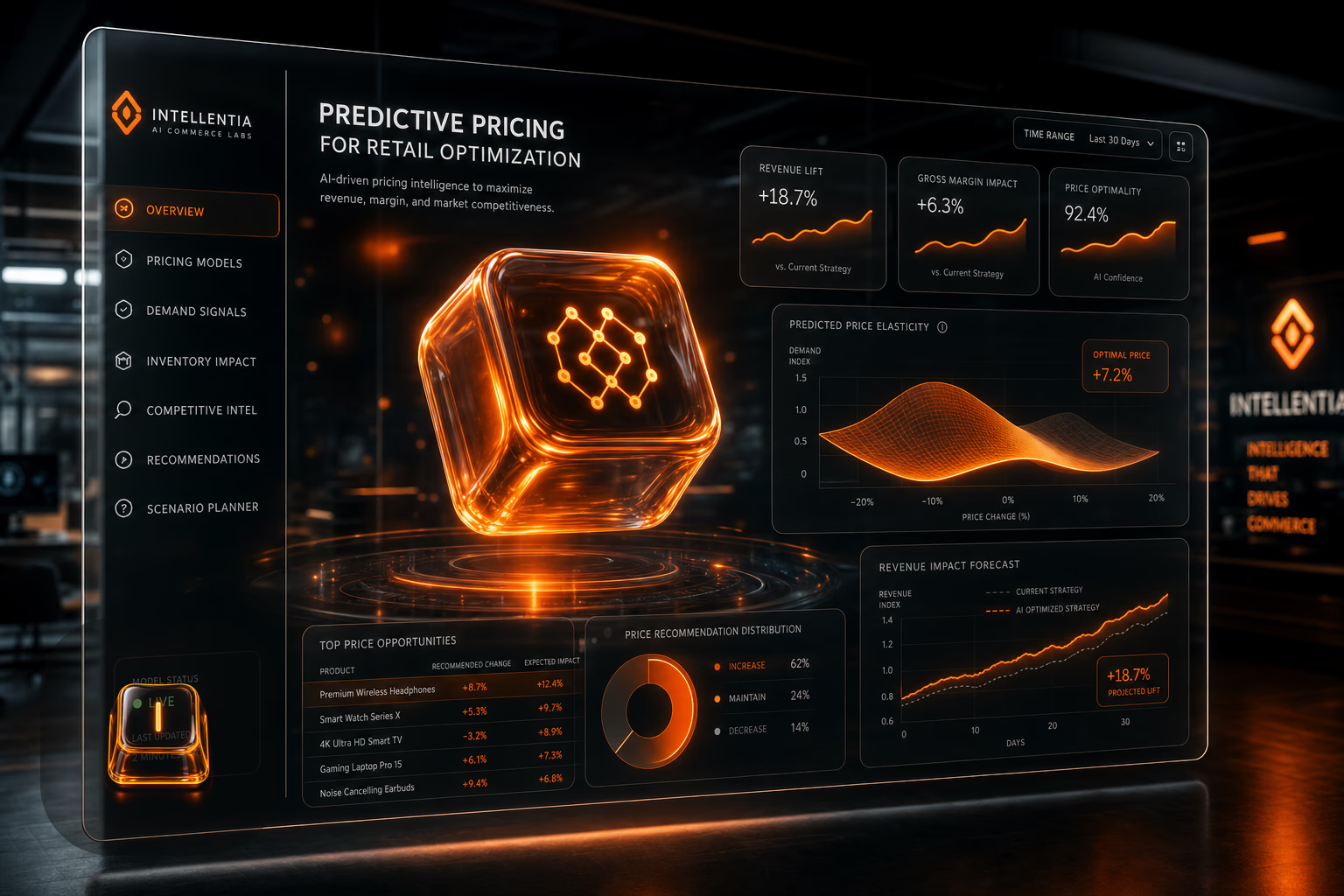
Prediction models for pricing in retail are essential tools for refining commercial strategies and boosting revenue.
What are prediction models for pricing?
We build predictive models by feeding algorithms historical and current data to forecast future behavior. In retail, this means we're not guessing about demand, price sensitivity, or customer patterns anymore. We can build a model that tells you precisely which products will fly off the shelves during a promotion, or exactly what happens to sales if you drop a price by 10%. It's about replacing assumptions with statistical signals.
- Demand forecasting: identifying which products will sell more.
- Price elasticity: understanding how price changes affect sales.
- Seasonal analysis: adjusting prices based on time of year or specific events.
How are they implemented in retail?
What people ask us every week is how we get from a pile of sales data to a working prediction model. It’s not about magic; it's a rigorous process. It hinges on three things: the right tech stack, clean data, and a clear business goal. Without these, you're just building a fancy calculator. Our process is designed to nail all three.
- Data collection: historical sales, prices, promotions, and external factors like weather or events.
- Model selection: algorithms such as linear regression, decision trees, or neural networks based on the case.
- Model validation: testing the model's accuracy with historical data.
- Deployment and monitoring: integrating the model into existing systems and tracking its performance.
We've seen our dynamic pricing models lift revenue by up to 15%. This isn't a guess; it's a measured outcome from real campaigns where data-driven adjustments replaced manual pricing.
Which tools are most effective?
The market is flooded with tools, but the specific tool is less important than the model's logic. We build our models primarily in Python using libraries like Scikit-learn or TensorFlow because they give us the flexibility we need. But the real work isn't just coding; it's ensuring the output is clear and actionable, which is why we pipe it into dashboards in tools like Power BI. The choice of tool always comes down to the business's data volume and complexity. A one-size-fits-all solution simply doesn't exist.
What are the benefits for your business?
The goal here is twofold. First, increase revenue. That's the obvious part. But the second, often overlooked, benefit is plugging the leaks: cutting losses from overstocked inventory and mispriced products. When your pricing is sharp and data-driven, you're not just more competitive. You're more efficient. That's what shows up on the balance sheet.
FAQ
How long does it take to implement a predictive model?
Do I need an in-house technical team?
Also on Intellentia: what we do · our solutions · real cases
Read more: Scikit-learn · TensorFlow · Power BI
Keep reading: Using AI to Detect Fraud in Retail Transactions · Using Predictive Analytics for Inventory Planning · Can AI Predict Customer Churn in Retail? Strategies for 2026 · From Data to Decision: Using Real-Time Dashboards Effectively · Using AI to Forecast Demand in Restaurants