RPA in Hospitality: Which Processes to Automate First
We guide hospitality businesses to identify which processes can be automated with RPA, focusing on areas with immediate impact on costs and time.
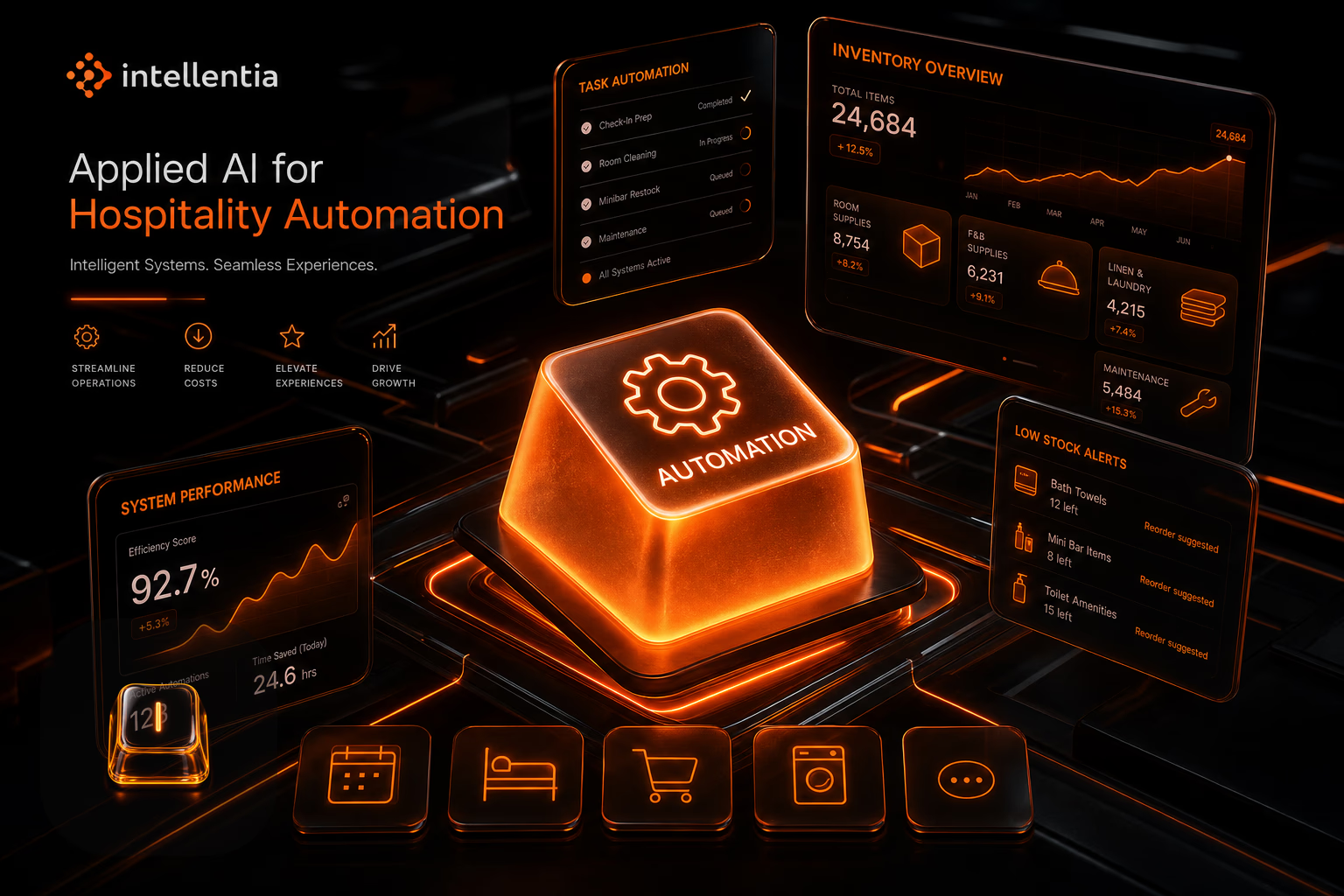
Process automation using RPA (Robotic Process Automation) is reshaping the hospitality sector, but not all processes should be prioritized equally.
What is RPA and how does it apply to hospitality?
RPA stands for Robotic Process Automation. Forget the 'robot' part; think of it as software we build to handle repetitive, rule-based digital tasks. We configure these 'bots' to mimic human actions—clicking, logging into systems, copying data from an email to a spreadsheet, and filling out forms. In hospitality, we apply this to things like processing online bookings or managing supplier invoices. The goal is to take the tedious, error-prone work off your team's plate so they can focus on what matters: the guest experience. It's that simple.
- Repetitive processes, like online reservation management.
- Inventory and supplier order handling.
- Automating administrative tasks, such as invoicing or reconciliations.
Which hospitality processes should you automate first?
What people ask us every week is 'Where do we start?' The key is to avoid boiling the ocean. You need to prioritize based on impact and complexity. We've built these systems for enough hospitality businesses to know which processes deliver the fastest ROI. We always recommend starting with these three.
1. Reservation management
We build bots that consolidate bookings from all your channels—your website, OTAs like Booking.com, even phone-in requests logged in a simple form. The system reads the request, logs into your Property Management System (PMS), and enters the data exactly as required, without human error. It then triggers a confirmation email. This runs 24/7, which means no more missed bookings overnight and zero double-booking mistakes. It's a solid first step.
2. Inventory management
Here, the RPA bot integrates directly with your Point of Sale (POS) and inventory management software. When an item is sold, the bot deducts the corresponding ingredients from your stock list in real-time. We set rules so that when stock for, say, wine or linens drops below a specific threshold you define, the system automatically generates a purchase order and sends it to the right supplier. This prevents stockouts during peak hours and cuts down on waste from over-ordering. It’s about data-driven purchasing.
3. Repetitive administrative tasks
These are the tasks that everyone hates but are critical for cash flow. Think about reconciling daily credit card statements with your POS reports—a bot can do that in minutes, flagging discrepancies instantly. We also build automations to process supplier invoices: the bot opens the PDF attachment in an email, extracts the key data like invoice number and amount, and enters it into your accounting system like QuickBooks or Xero. It's not glamorous, but it saves dozens of hours a month.
We consistently see teams cut the time they spend on manual booking entry by at least 30% after implementing a simple reservation bot.
How much does it cost and how long does it take to implement RPA?
The investment always depends on the complexity of the process you're automating. A bot that just reads emails and enters data into a single system is straightforward. One that needs to interact with a legacy PMS, an external booking engine, and your accounting software requires more development. The figures here are a realistic starting point for a standard, single-process automation. We get these up and running fast.
| Process | Estimated Cost | Implementation Time |
|---|---|---|
| Reservation management | $3,000-$5,000 | 4-6 weeks |
| Inventory management | $4,000-$7,000 | 6-8 weeks |
| Administrative tasks | $2,000-$4,000 | 3-5 weeks |
What does this mean for your business?
Ultimately, automating these core processes makes your operation more robust. It reduces errors, lowers operational overhead, and frees up your best people to focus on guest service instead of data entry. This is how you scale without simply hiring more staff to handle repetitive tasks. If you're not sure which process in your business is the best candidate, that's the first problem we can help you solve.
FAQ
Is implementing RPA in hospitality expensive?
How long does it take to see results?
Also on Intellentia: what we do · our solutions · real cases
Read more: RPA on Wikipedia · RPA guide
Keep reading: How to Automate Shift Management in Hospitality with AI · How to Automate Cancellation Management in Restaurants · How to Automate Customer Support with RPA · How to Automate Upselling in Restaurants with AI · How to Automate Dynamic Menus in Restaurants with AI