What is a Hybrid AI System and How to Apply It in SMBs
Hybrid AI systems offer a balanced solution between automation and human oversight. We explain how they work and how SMBs can benefit.
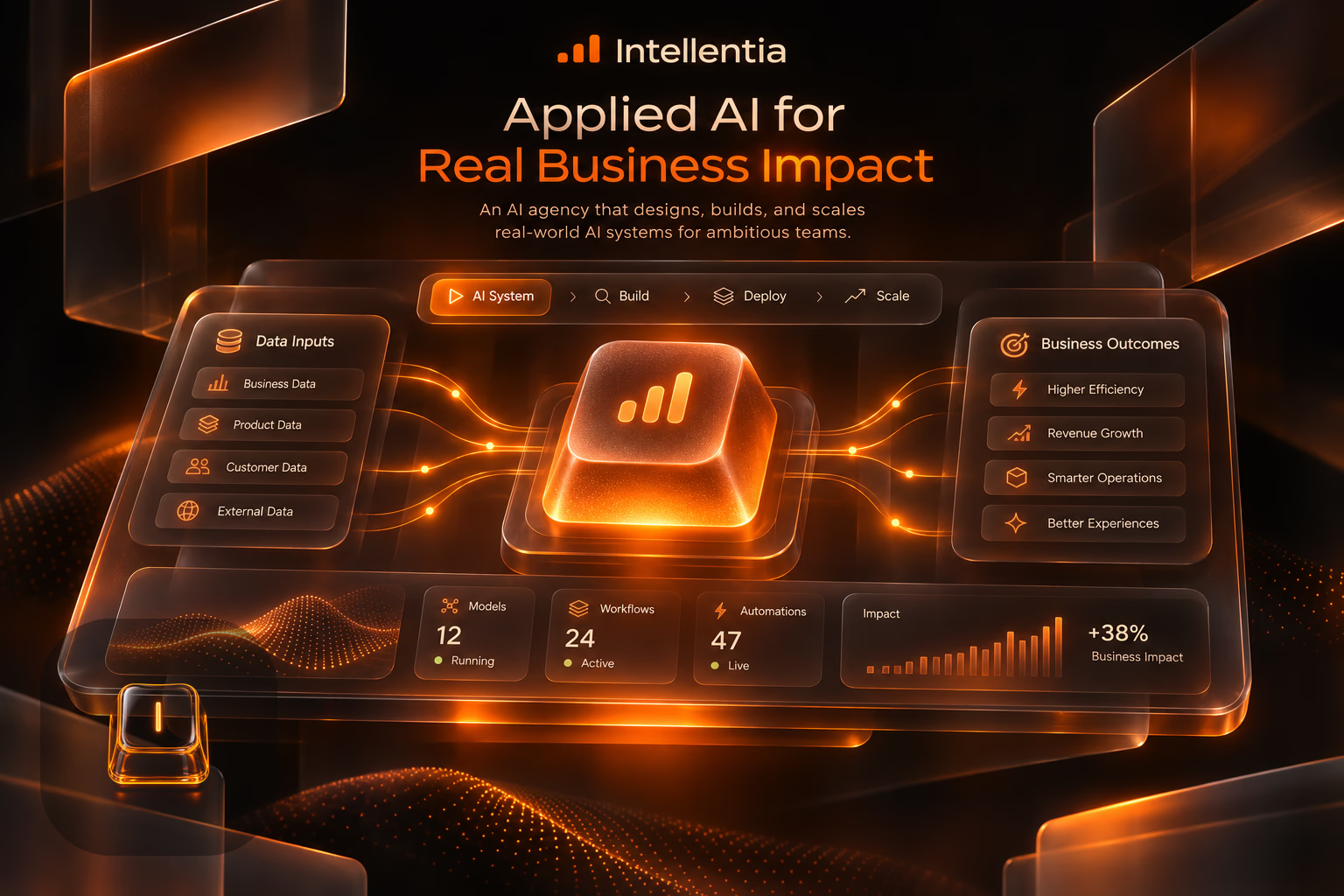
Hybrid AI systems combine the power of algorithms with human judgment, enabling businesses to automate repetitive tasks while maintaining quality and trust.
What exactly is a hybrid AI system?
Think of it as a workflow with checkpoints. The AI does the heavy lifting—sifting through data, handling routine tasks, or flagging anomalies—but it operates within a structure where a human has the final say at critical moments. The machine might process 1,000 documents, but it is programmed to escalate the 10 that don't fit the pattern for a person to review. That’s the core architecture.
A common example we implement is in customer support. An AI can act as a smart dispatcher, instantly handling the 80% of routine questions like 'Where is my order?' around the clock. But the moment a query gets complex or shows customer frustration, it's automatically routed to a human agent who receives the full context. The machine handles volume; the person handles value.
Why should SMBs consider a hybrid approach?
What people assume is that implementing AI means going 'all-in' on full automation, which feels risky and expensive. The reality is, a hybrid model is a much smarter, more controlled way to start. It lets you keep a human expert in the driver's seat. This isn't just a safety net; it's a strategic choice, especially in businesses where a single bad customer interaction can be costly.
- Automate repetitive tasks without sacrificing quality.
- Build trust by maintaining human oversight.
- Scale operations without significant upfront investments.
How is a hybrid AI system designed?
When we build a hybrid system, the first step is always a process audit. We don't start with technology; we start with your operations. We map out your existing workflows to pinpoint the bottlenecks that are purely mechanical and ripe for automation, and we define the critical decision points where human expertise is non-negotiable. It’s a surgical approach, not a sledgehammer.
In a logistics company, for example, an AI can optimize delivery routes in real-time based on traffic and vehicle capacity. That’s a pure calculation problem. But the decision to call a key client to renegotiate a delivery window because of an unexpected issue? That requires nuance and relationship management. That's a human decision, informed by the data the AI provides.
Hybrid AI doesn't replace your experts. It builds a system around them that handles the robotic work, freeing them up to solve the problems that actually require a brain.
Tools and technologies for hybrid AI implementation
To build these systems, we connect different pieces of technology. There's a whole ecosystem of tools out there, and the trick is knowing which ones solve the problem and which are just marketing hype. Some common components we integrate include:
- Automation platforms like Zapier or Make for simple tasks.
- Language models like GPT for chatbots or text analysis.
- AI-integrated CRMs like HubSpot or Zoho.
Choosing the right tech stack is critical. Using a generic, off-the-shelf tool for a task that needs a custom model is a classic way to waste six months and a lot of money. This is where a technical team keeps you from getting burned; we select and integrate the specific tools that fit your operational needs, not the other way around.
What does this mean for your SMB?
A well-designed hybrid system makes your business more efficient and scalable. Period. It lets you grow without losing the quality control that got you here in the first place. But 'well-designed' is the key phrase. Getting the architecture right from day one is what separates a genuine operational upgrade from a frustrating, expensive science project. That's what we build.
FAQ
What sets a hybrid system apart from a fully autonomous one?
Is implementing a hybrid AI system expensive?
Also on Intellentia: what we do · our solutions · real cases
Read more: official GPT documentation · automation platforms
Keep reading: What is AI System Architecture and How to Design It · Hidden Costs of AI Implementation in SMBs and How to Avoid Them · AI vs Automation: Key Differences and How to Choose · Choosing the Best API for Email-Based AI Agents · Choosing a CRM Compatible with Intelligent Automation