How to Automate Table Assignment in Restaurants with AI
AI technology can transform table management in restaurants. Learn how to implement it step by step.
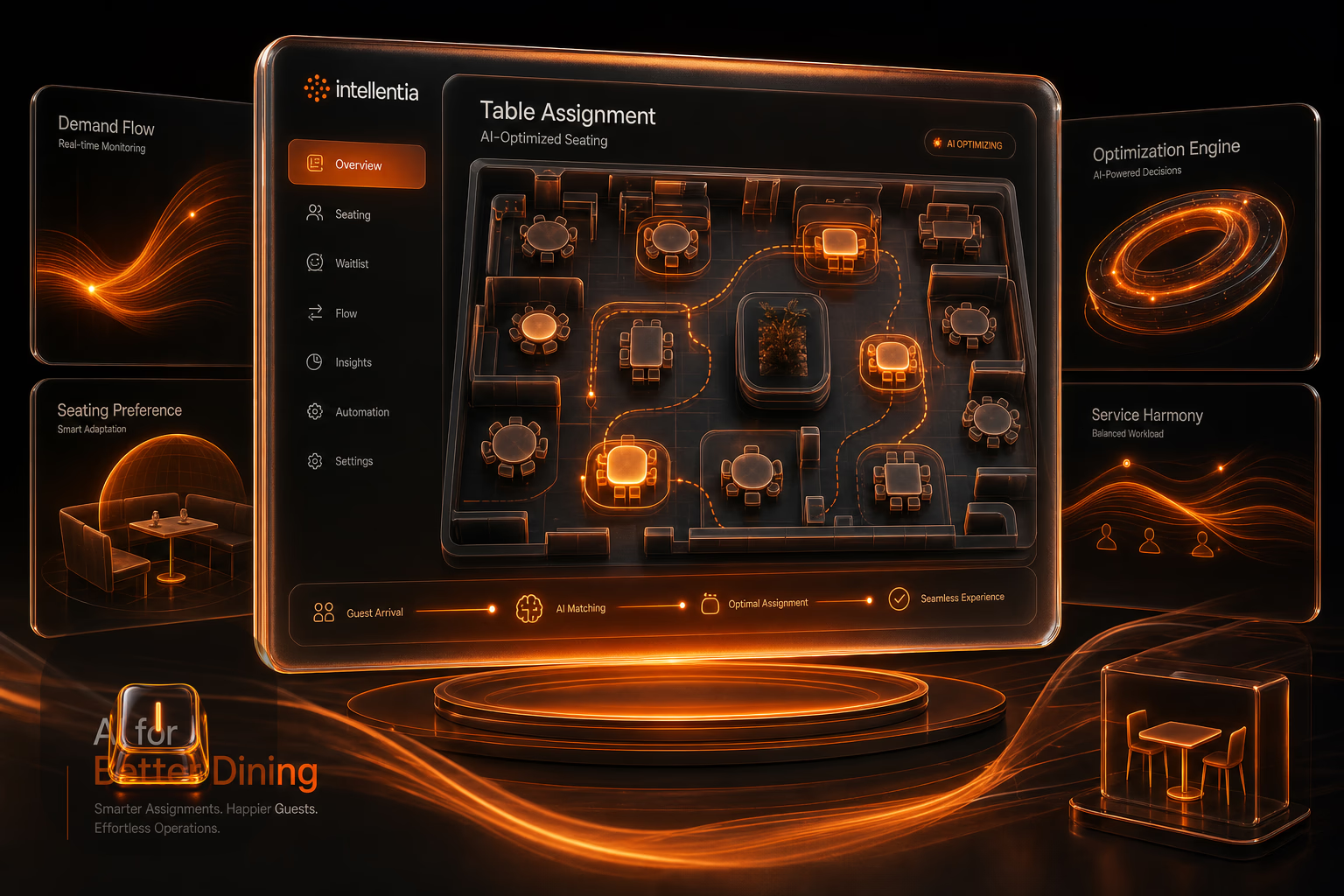
Automating table assignment in a restaurant with AI can improve operational efficiency and customer experience. Here's how to do it.
Why is automating table assignment important?
We’ve seen it a hundred times: the host is juggling a waitlist, the phone is ringing, and a party of six just walked in. During a dinner rush, manual table assignment is where things break down. An AI system doesn't just digitize the waitlist; it crunches multiple variables in real-time—party size, table status, server load, and even customer preferences from your CRM—to make the optimal assignment. It's about turning chaos into a predictable, efficient flow.
- Reduced waiting times.
- Optimized use of available space.
- Enhanced customer experience through personalized assignments.
What do you need to implement this solution?
Let's get into the architecture. Building a solid automation system for table assignment isn't about plugging in a single app. It requires connecting a few key components that work together: a data layer, a brain, and your existing tools.
- A digital reservation system or CRM to record bookings and customer data.
- Sensors or software to monitor table occupancy in real time.
- An AI engine capable of processing these inputs and suggesting optimal assignments.
The goal isn't to replace your host. It's to give them a tool that handles the complex math of table Tetris so they can focus on the guest.
How much does it cost and how long does it take to implement?
What people ask us every week is: what's the real cost and timeline? A typical project for a system like this lands between $3,000 and $10,000, with a build time of 4 to 8 weeks. The final numbers depend on the complexity of integrating with your existing reservation software and POS. That timeline covers everything from initial discovery and system design to connecting the data sources, building the logic, and running pilot tests during off-peak hours to ensure it's solid.
How to avoid common pitfalls when implementing AI in restaurants?
The most common failure point we see is poor integration. If your AI model doesn't get clean, real-time data from your reservation system and POS via stable APIs, its recommendations will be useless. This is exactly where a technical team keeps you from getting burned. It's not just about writing code; it's about architecting a system that's reliable and ensuring your staff is trained not just to use it, but to trust it and know how to handle the edge cases.
What does this mean for your restaurant?
Ultimately, automating table assignment is about two things: increasing revenue per table by optimizing turnover and improving the guest experience so they come back. A well-built system reduces wait times, prevents front-of-house bottlenecks, and gives you a powerful operational advantage. If you're ready to see how we can architect a solution for your specific setup, let's talk.
FAQ
Is it hard to integrate an AI system into a small restaurant?
What happens if the automated system fails?
Also on Intellentia: what we do · our solutions · real cases
Read more: official OpenAI documentation · study on AI in hospitality
Keep reading: How to Automate Upselling in Restaurants with AI · How to Automate Dynamic Menus in Restaurants with AI · How to Automate Food Delivery Orders in Restaurants with AI · How to Automate Cancellation Management in Restaurants · How to Automate Customer Support with RPA