How to Automate Inventory Control in Restaurants
Automating inventory control in restaurants reduces errors, optimizes costs, and improves operational efficiency. Here's a step-by-step guide to get started.
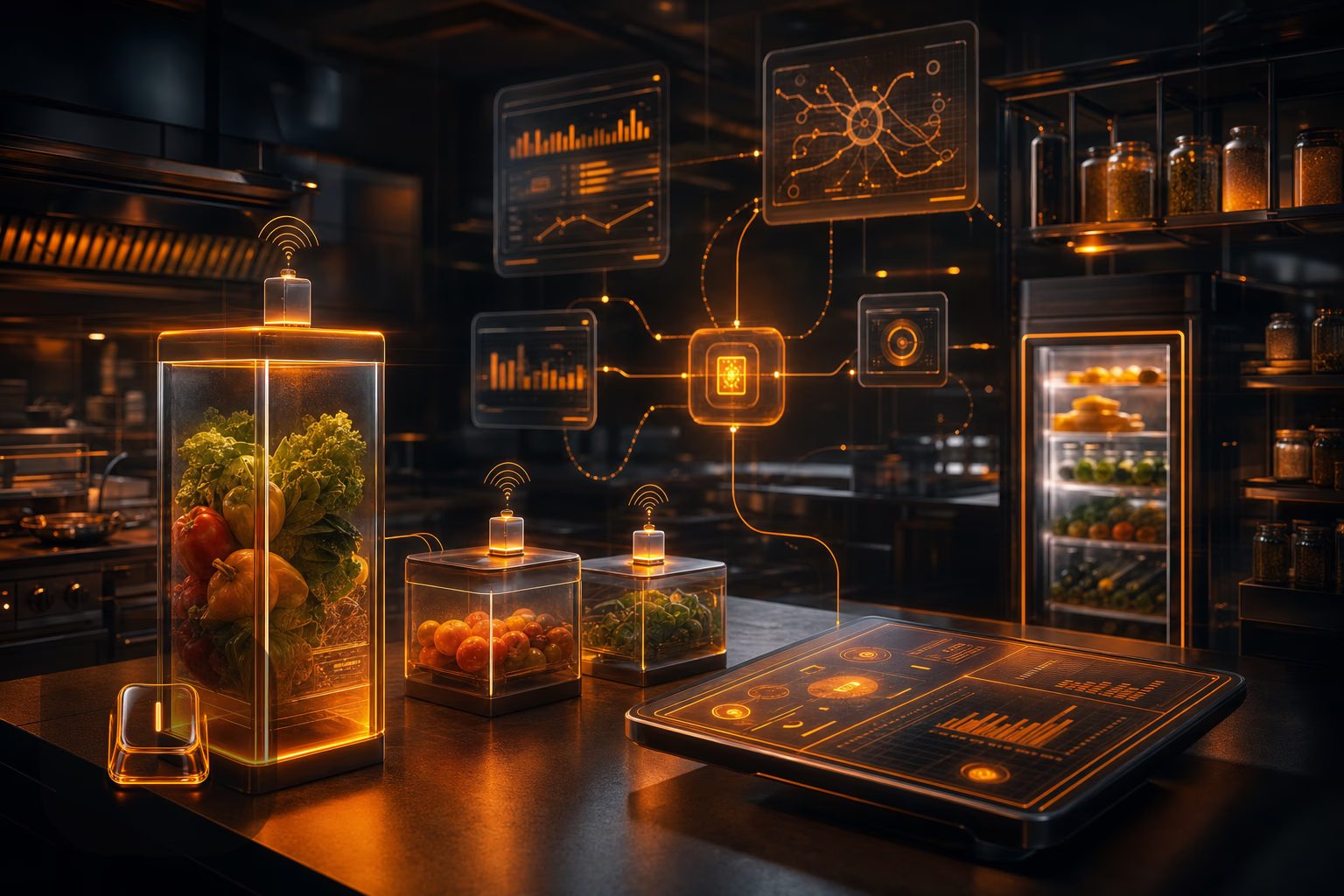
Automating inventory control in restaurants is a practical solution to reduce errors, optimize costs, and improve operational efficiency. Here's how to make it happen.
Why automate inventory control in restaurants?
Counting stock by hand is a drain on time and a guaranteed source of mistakes. We've seen it firsthand: you either have too much of one ingredient tying up cash, or you run out of a bestseller during peak hours. Both scenarios hit your bottom line directly. The goal of automation here is simple: eliminate the manual guesswork and get accurate, real-time data to base your purchasing decisions on.
Beyond just counting, a well-built system starts spotting patterns. It can accurately predict how many salmon fillets you'll need next Friday based on past sales, weather, and local events. This isn't magic; it's data. And it directly translates into less food waste and smarter purchasing, which is a real competitive edge in this business.
What tools are needed for automation?
What people ask us every week is, 'What's the actual tech stack for this?' It's not one single tool, but a system of components working together. You have your core inventory management software, which acts as the database. Then, you can add IoT sensors—like smart scales or cameras—to feed real-time stock levels into that system. Finally, we connect it all to a data analysis layer, often using something like Power BI, to turn raw numbers into clear dashboards you can actually use.
- Management software: to track stock inflows and outflows.
- IoT sensors: to monitor inventory levels in real-time.
- Data analysis: to identify patterns and optimize planning.
The most common mistake is treating this as a standalone system. It's not. The real power comes from integration. Your inventory system must talk to your Point of Sale (POS). When a burger is sold, the POS tells the inventory system to deduct one bun, one patty, and a slice of cheese. Without that link, you're just creating another data silo and more manual work. It has to be a single, connected workflow.
Steps to implement automation
Building this system isn't black magic; it's a structured engineering project. We follow a clear, methodical process to get it right. It breaks down into these key phases:
- Audit your current inventory: identify high-turnover items and those causing the most waste.
- Select the right tools: choose software that integrates with your current systems.
- Set up sensors and systems: install IoT devices if needed to automatically monitor stock levels.
- Train staff: make sure your team understands how to use the tools and interpret the generated data.
- Analyze and adjust: use the data to optimize purchasing and reduce waste.
How much does it cost to implement these solutions?
Let's talk numbers. The cost depends entirely on the scale and complexity of your operation. For a small to medium-sized restaurant, a solid implementation—including software licenses, any necessary hardware like sensors, and the initial integration work—typically falls in the €2,000 to €5,000 range. After that, you're looking at ongoing costs of about €100 to €300 per month for software licenses and system maintenance.
The initial investment pays for itself. We consistently see clients recover the full cost through reduced food waste and saved labor hours, often within the first year.
What does this mean for your restaurant?
Ultimately, this isn't just about tracking inventory more efficiently. It's about freeing up your team's time and your capital to focus on what actually matters: the food and the customer experience. If you're ready to build a system that works, we can design the architecture and handle the implementation from start to finish.
FAQ
Do I need a tech team to implement this solution?
How quickly can it be implemented?
Also on Intellentia: our solutions · what we do · real cases
Read more: MarketMan · Power BI · Fourth
Keep reading: How to Automate Cancellation Management in Restaurants · How to Automate Upselling in Restaurants with AI · How to Automate Access Control in Gyms with AI · How to Automate Dynamic Menus in Restaurants with AI · How to Automate Online Review Management for Restaurants