Microsoft Replaces OpenAI: Its Own AI Models (MAI) Now in Excel and Outlook
Microsoft announces its proprietary AI models (MAI) are now live in key tools like Excel and Outlook. This marks a major strategic shift. What does it mean for your business?
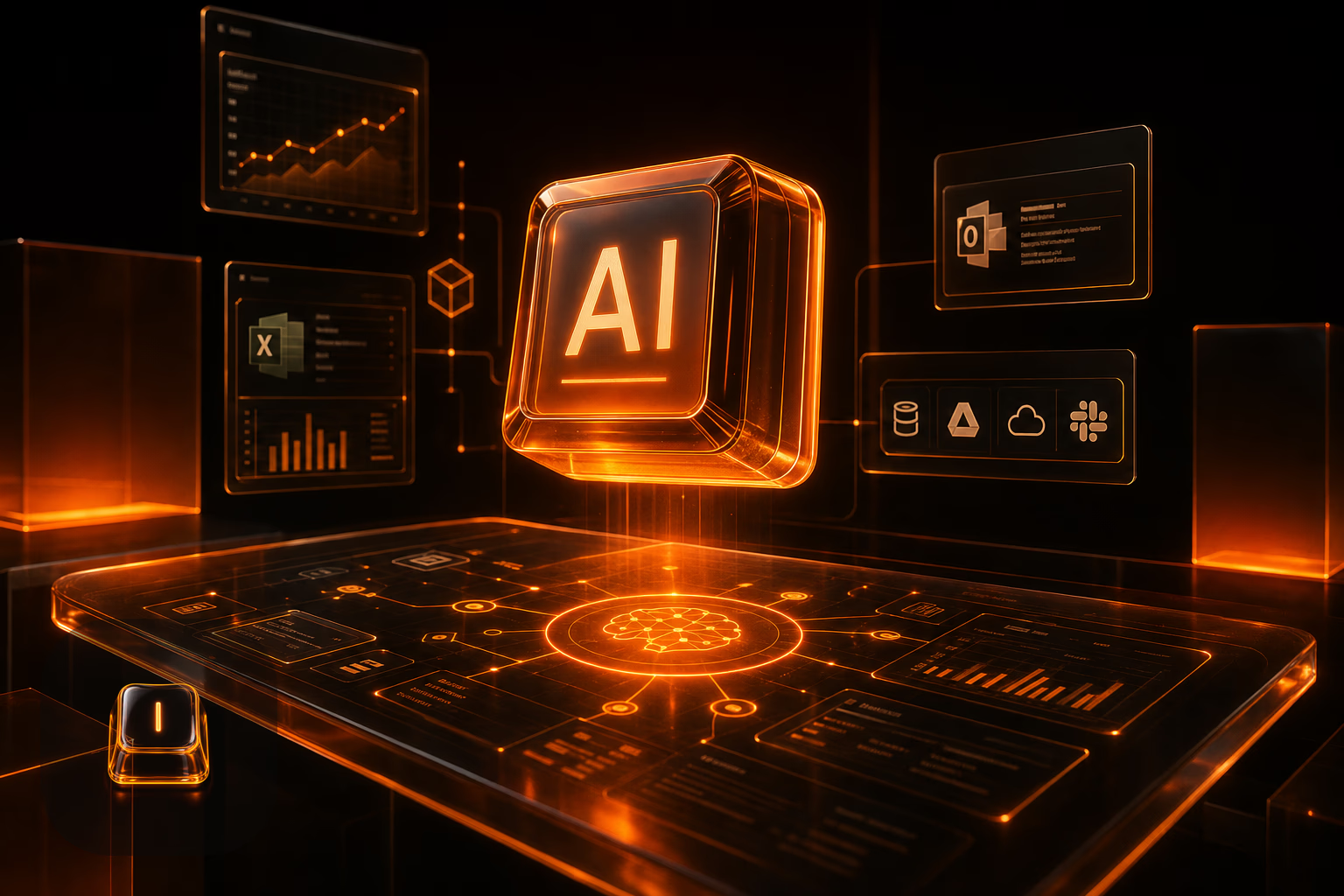
Microsoft has shifted its AI strategy, replacing OpenAI models with its own proprietary MAI in Excel and Outlook. This move could redefine how businesses use these tools.
What has changed with Microsoft's MAI models?
Microsoft was using OpenAI's tech, like GPT-4, to power its tools. Not anymore. They've built their own models, MAI, and plugged them directly into Excel and Outlook. This is about control. They now own the engine that processes your data, writes your emails, and automates your workflows.
Why is Microsoft betting on its own models?
Why the change? It's simple: owning the tech is cheaper and gives them total control. They can fine-tune MAI specifically for their software, cutting out the middleman. For businesses, this means the AI inside your tools is no longer a generic add-on. It's built for the job. This is exactly what we aim for when building custom solutions: AI that fits the tool, not the other way around.
What advantages do MAI models offer over OpenAI?
- Smoother integration with Microsoft tools like Teams, Power BI, and Dynamics.
- Greater control over privacy and enterprise data usage.
- Updates specifically designed for corporate environments.
What does this mean for businesses using Excel and Outlook?
So what changes for you today? Your Excel and Outlook just got a native brain transplant. What people assume is that it's just a faster version of the old features. What actually happens is the AI now has deeper access to the app's context. Think Excel predicting trends from messier data or Outlook drafting entire client follow-ups that actually sound human. The potential is there, but only if you know which buttons to press and how to connect it to your real-world data.
Microsoft is taking back control. This isn't just about saving money; it's about building AI that works seamlessly inside the tools you already use.
How can you prepare for this change?
You don't have to do anything; the update will just roll out. But treating this as a simple software update is a mistake. This is a new engine under the hood. Are you still driving in first gear? This is the moment to audit your workflows. Your competitors probably aren't. That's the opportunity.
What does this mean for the future of enterprise AI?
This isn't just about Microsoft. It's a signal. The big players are building their own AI because off-the-shelf models are not enough. The future isn't one giant AI; it's a series of specialized, custom-built models designed for specific tasks and industries. This is where the real competitive advantage is built—not by using a generic tool, but by implementing a system that's tailored to your exact business problem.
FAQ
What are Microsoft’s MAI models?
Do I need to make changes to use the new models?
Also on Intellentia: what we do · our solutions · real cases
Read more: Microsoft AI · Excel official documentation
Keep reading: OpenAI cuts GPT-5.6 prices: What does it mean for businesses? · EU Activates AI Act: First Information Requests to OpenAI and Google · OpenAI Launches 'ChatGPT for Financial Services' · OpenAI launches GPT-6 Astra for Law, an AI model specialized for the legal sector · Anthropic Halts Its Most Advanced AI Models, Fable 5 and Mythos 5, by US Order