GPT-6 now designs proteins: AI's potential in drug development
The latest in AI: GPT-6 can now design custom proteins. This has massive implications for biotechnology and the pharmaceutical industry.
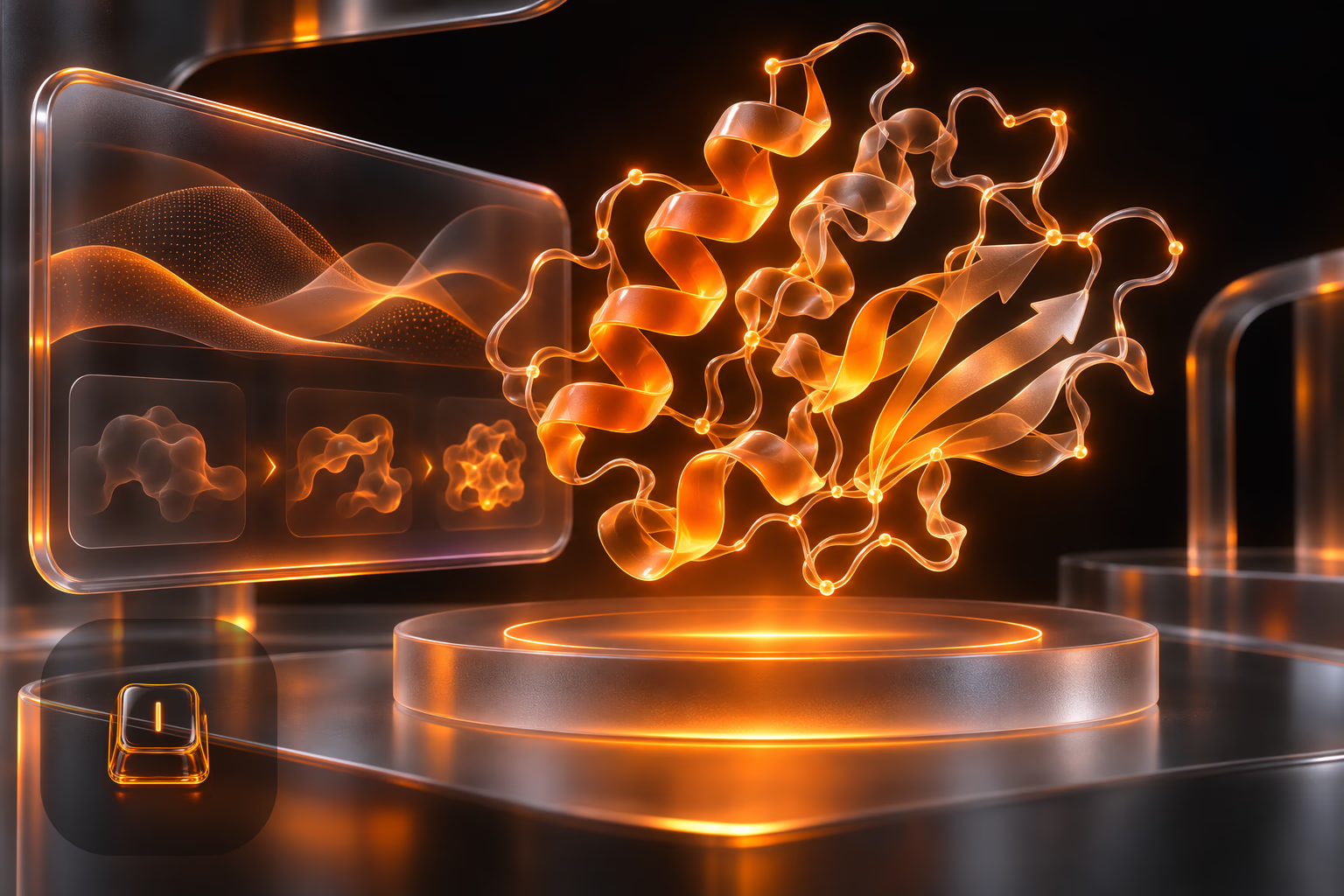
GPT-6 has taken a surprising leap: it can now design proteins from scratch. This breakthrough opens new doors in biotechnology, particularly in drug development and innovative therapies.
What does it mean for GPT-6 to design proteins?
Proteins run everything. They're the core of biotech, driving new drugs and therapies. Traditionally, designing one meant years of lab work and massive teams. GPT-6 just tore up that playbook. It models and designs viable proteins in hours, not decades. This isn't a small step forward; it's a completely different game.
How does GPT-6 work in this context?
So, how does it work? GPT-6 isn't just a language model anymore. It's crunching massive biological datasets to generate new protein designs. It predicts how amino acid chains will fold—the critical step that defines what a protein actually *does*. The speed and accuracy are what matter here. It's a massive accelerator for any R&D team in pharma or biotech.
- Protein modeling in hours, not years.
- Prediction of complex structures with high accuracy.
- Integration with existing biological databases.
This isn't just about making research faster. It's about creating treatments that were impossible last year. That's the real impact.
What does this mean for the pharmaceutical industry?
The implications are huge. Big Pharma gets to slash drug development timelines and costs. But for smaller biotech firms and startups? This is a direct shot at leveling the playing field. What people ask us every week is 'Can we really use this?' The answer is yes, *if* you implement it correctly. Having a technical team that knows how to integrate these models is the difference between a press release and a market-ready product. This is where you avoid getting burned.
| Advantages | Impact |
|---|---|
| Time reduction | From years to months or weeks in design. |
| Lower costs | Optimized research resources. |
| Access to innovation | Technology available to smaller companies. |
How can your business leverage this?
If you're in biotech, or even adjacent to it, the time to move is now. Yesterday. GPT-6 isn't here to replace your scientists; it's here to give them a superpower. But it's not a plug-and-play tool. Strategic implementation is what turns this raw power into a competitive advantage. We build these systems to give businesses like yours an unfair edge in medical innovation, from the first proof-of-concept to a fully integrated R&D pipeline.
FAQ
What is protein design?
How can GPT-6 help in biotechnology?
Also on Intellentia: what we do · our solutions · request a demo
Read more: OpenAI's official documentation · article on protein design
Keep reading: Anthropic: Claude AI now accelerates its own development recursively · Frostbite: AI Designs a New CPU Architecture from Scratch · Andrej Karpathy Joins Anthropic: What Does It Mean? · Anthropic hits $17B in revenue and plans a record-breaking IPO · Anthropic launches Claude Sonnet 5; US unlocks Fable and Mythos